
-
×
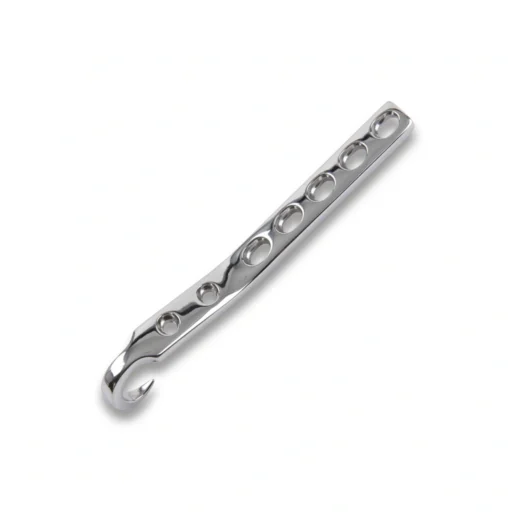
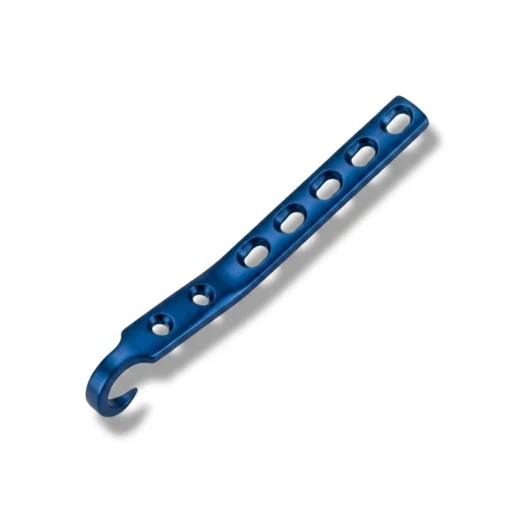
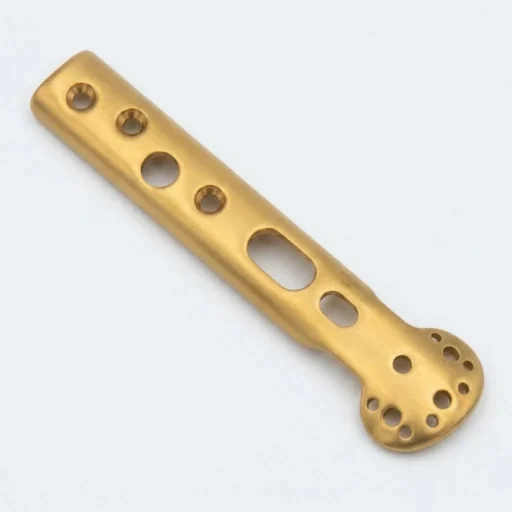
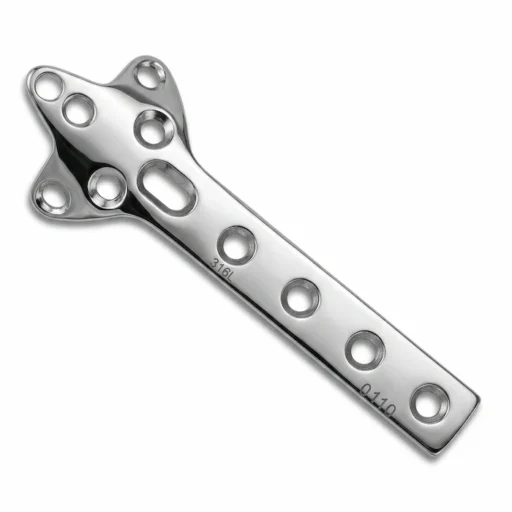
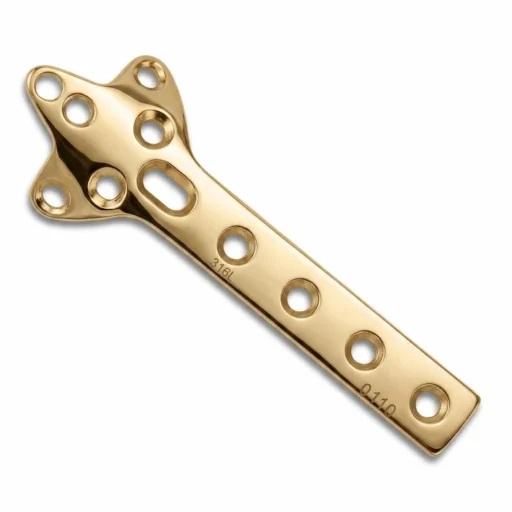
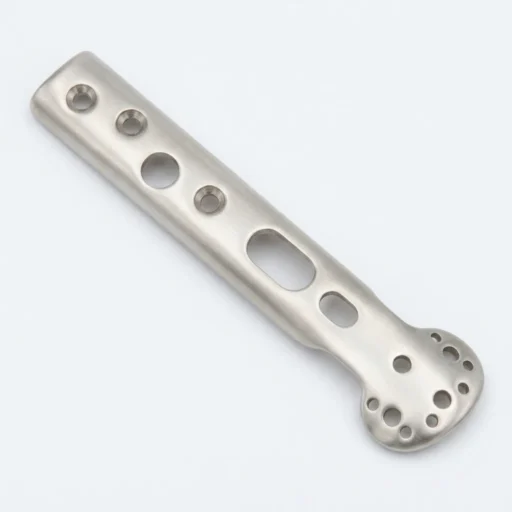 Trocentric Plate For DHS
1 × $ 21.75
Trocentric Plate For DHS
1 × $ 21.75
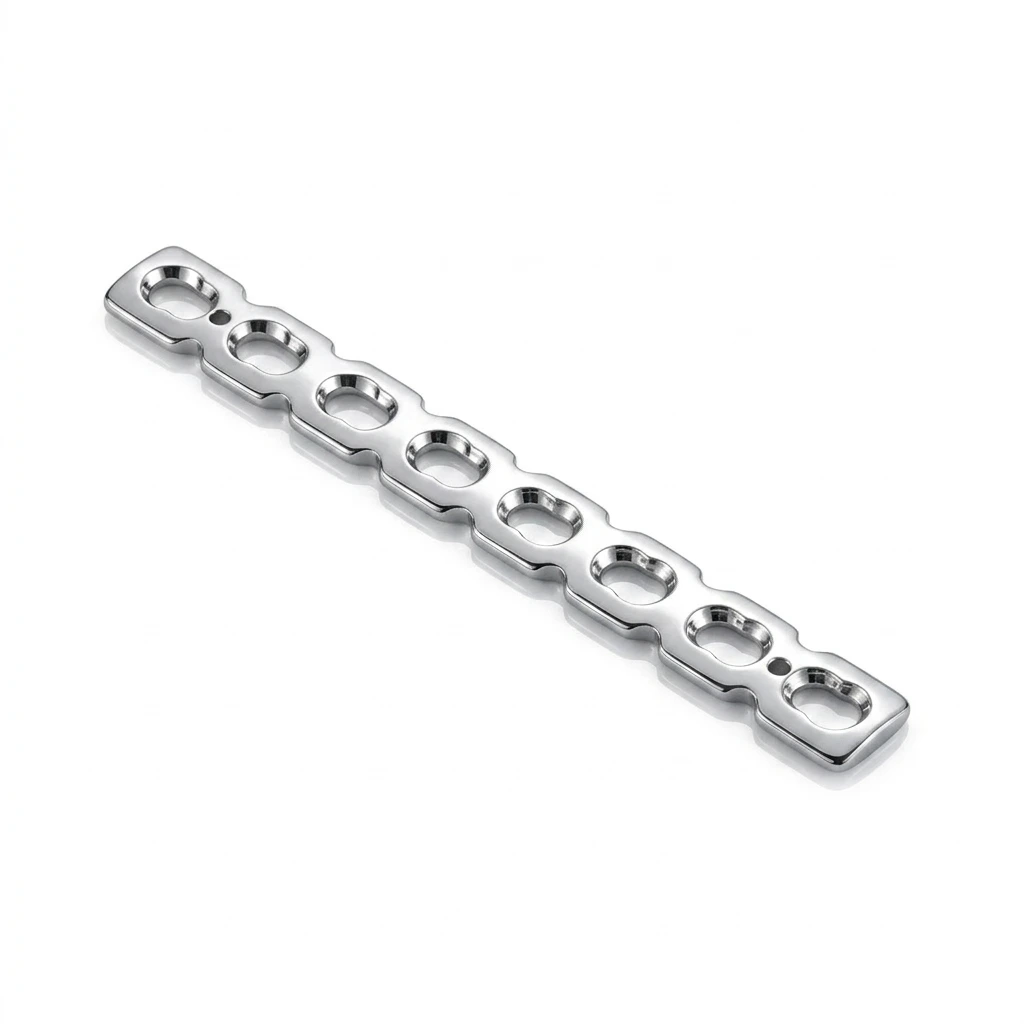
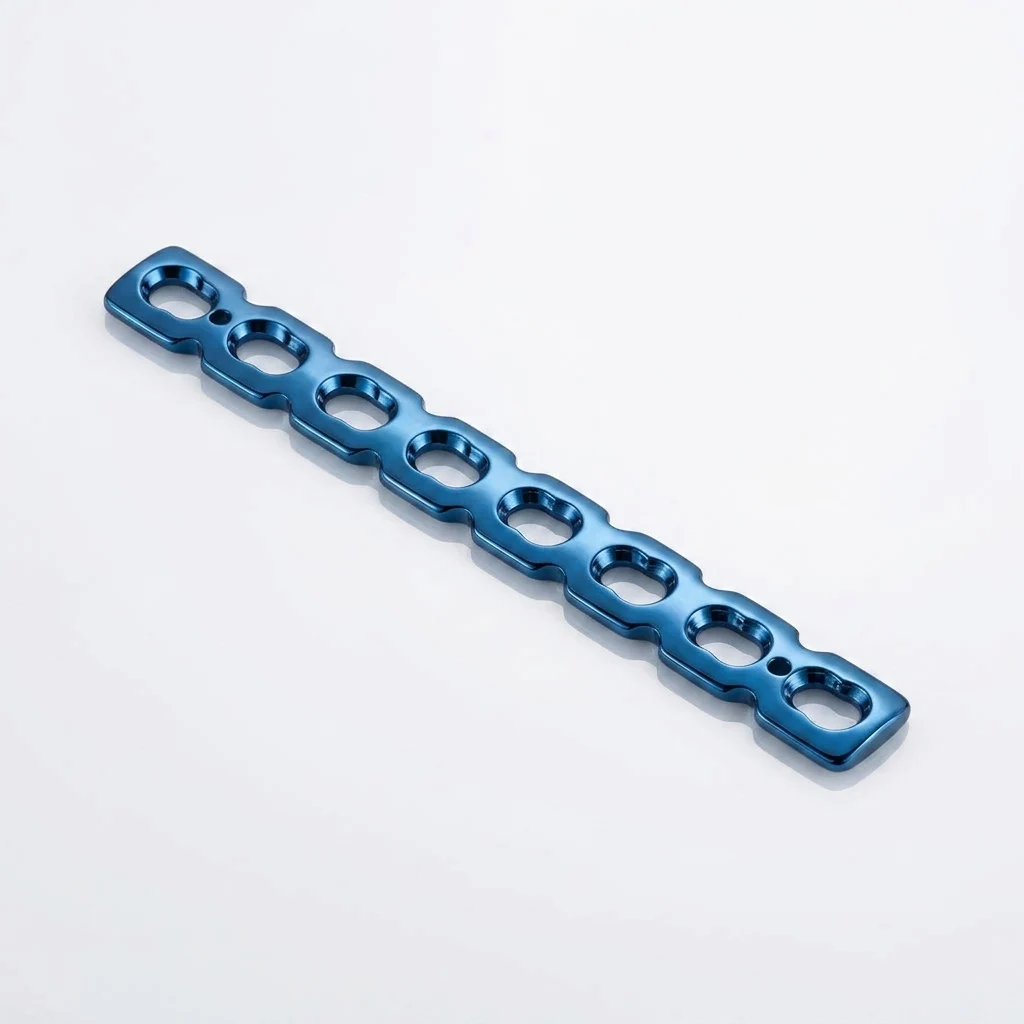
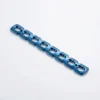
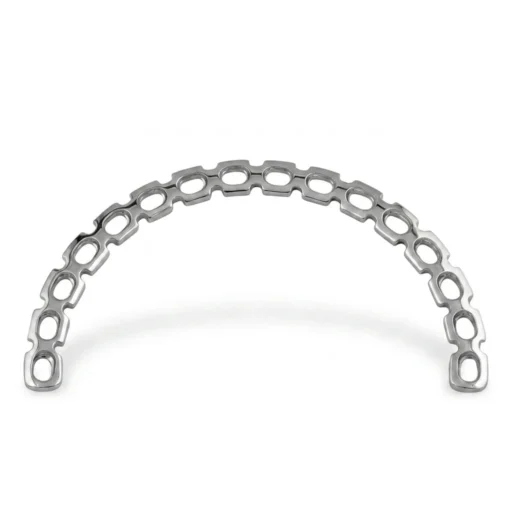
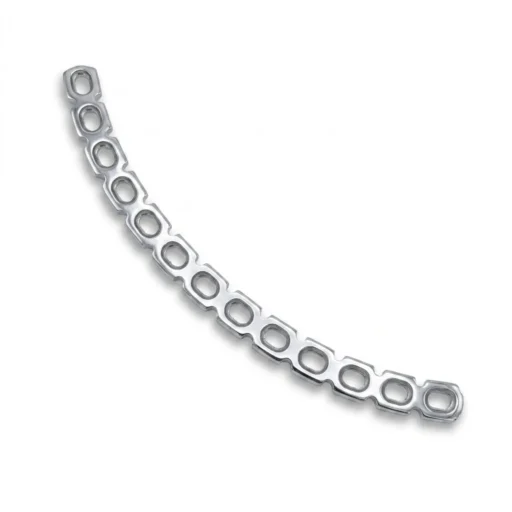
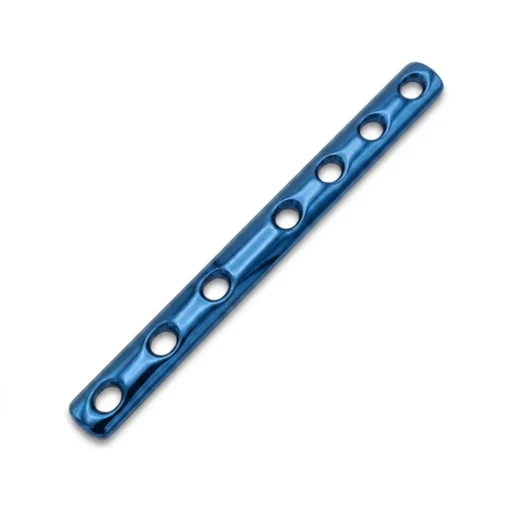
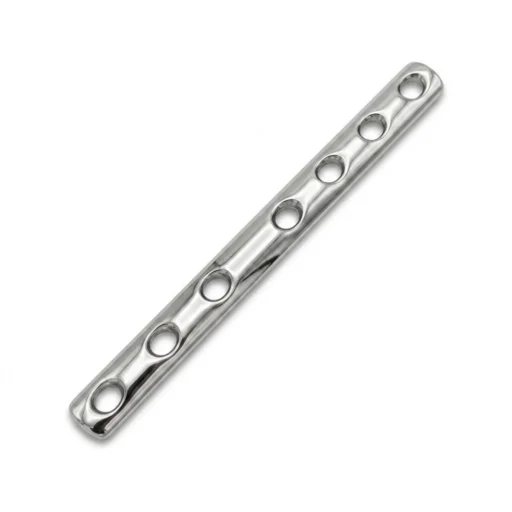
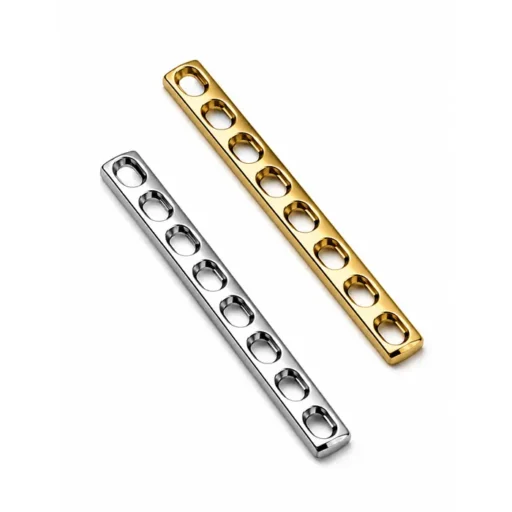
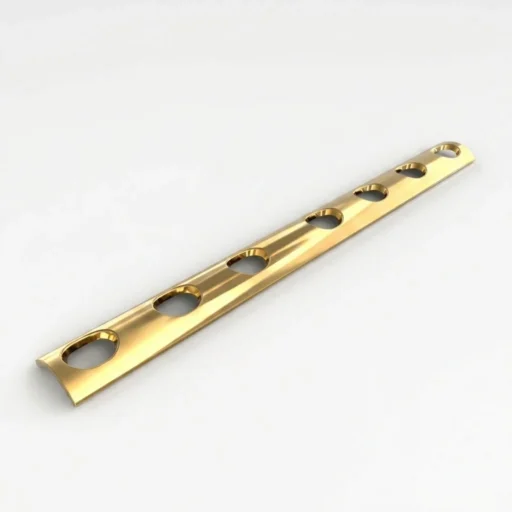
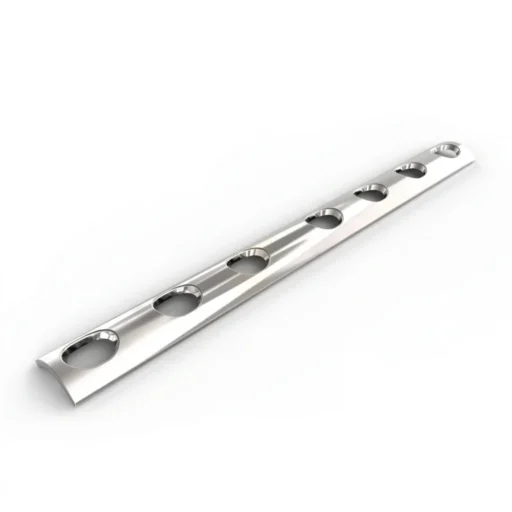
The LCP Reconstruction Plate combines two fixation methods in one implant: conventional compression plating and locking-screw fixation. Surgeons can choose dynamic compression, pure internal fixation, or a mix of both. The plate comes in premium German stainless steel or titanium.
Features and Benefits
A notched edge lets surgeons contour the plate in multiple planes. This helps the plate follow curved or irregular bone surfaces instead of sitting flat. Many surgeons use reconstruction-style plates in areas like the pelvis or clavicle, where standard straight plates need heavy reshaping.
Each hole accepts compression or locking-head screws. Surgeons can pick the fixation method during surgery based on the fracture pattern. They don’t need to commit to one approach beforehand.
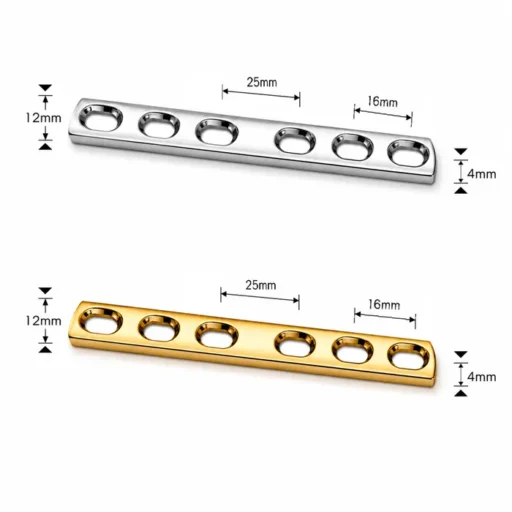
The plate comes in hole counts from 4 to 20. Shorter plates with fewer holes work well for smaller, localized fixation. Longer plates with more holes give surgeons more screw positions. This helps when bridging larger fracture zones or more fragmented bone. The range lets a facility stock plate lengths that match its typical caseload.
Every plate ships with screws included. This saves time by removing the need for a separate screw order.
Specifications
- Material: Premium German stainless steel or titanium
- Hole Options: 4 to 20 holes
- Screws: Included
Applications
Surgeons use reconstruction-style LCP plates in trauma and reconstructive procedures. They favor this plate over a rigid straight plate when the bone needs contouring. Common applications include the pelvis and clavicle. The fracture pattern, bone anatomy, and surgeon’s judgment guide the final choice.
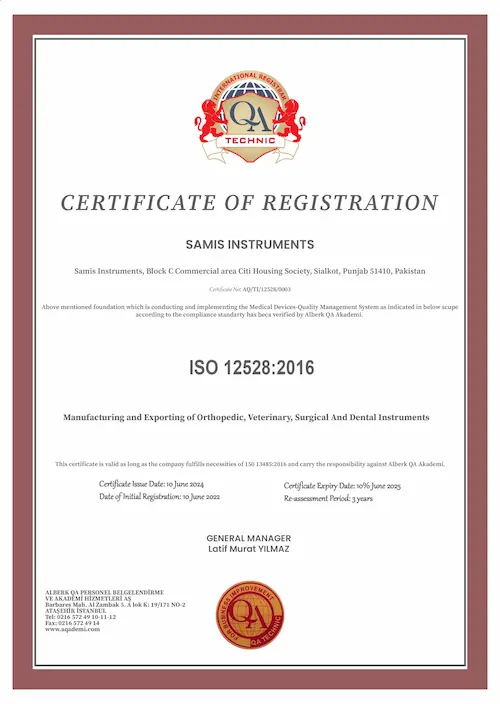
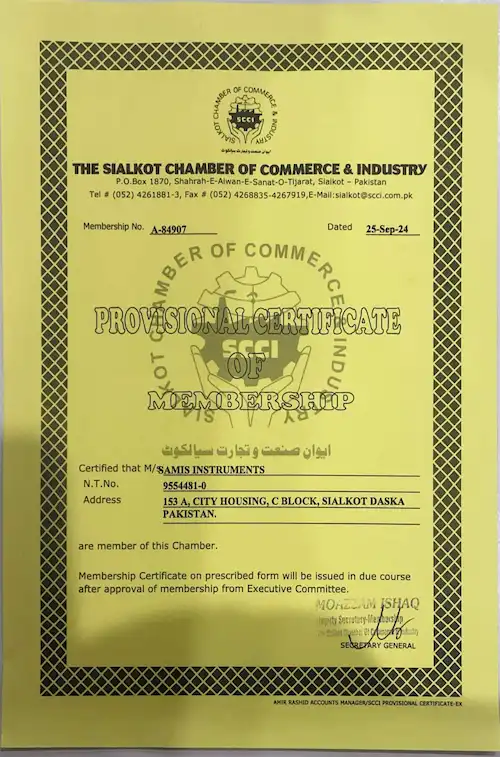
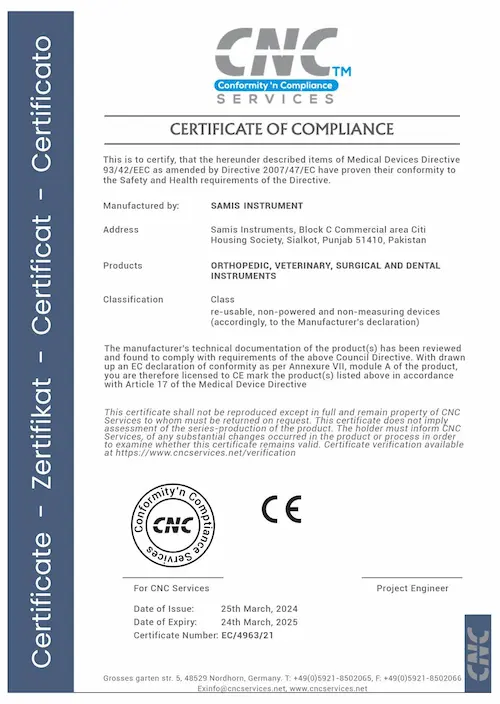
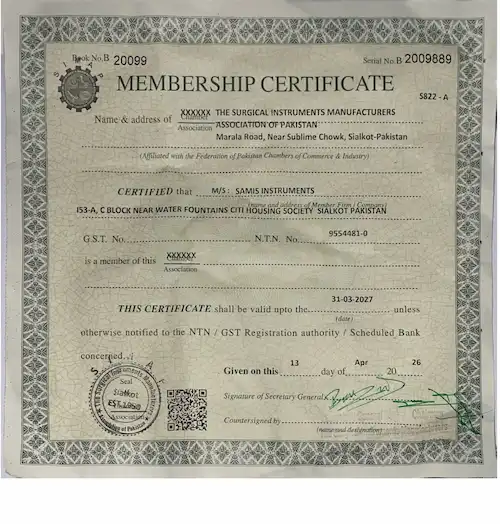
ISO, CNC, Chamber of Commerce & Surgical Instruments Manufacturers Association Certification Images – Sami’s Instruments
Write a Review