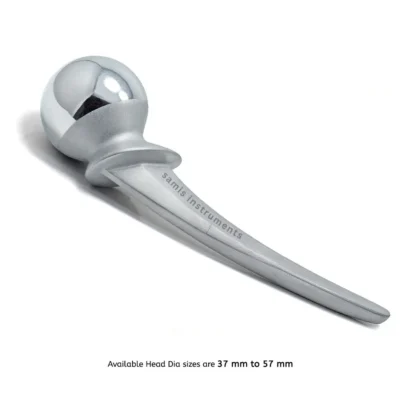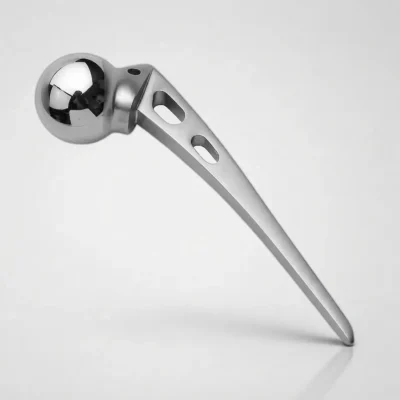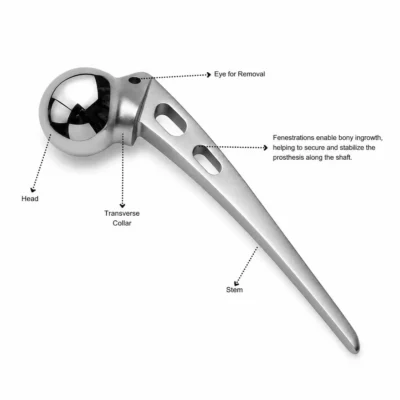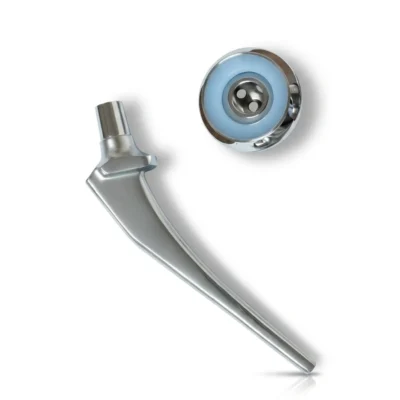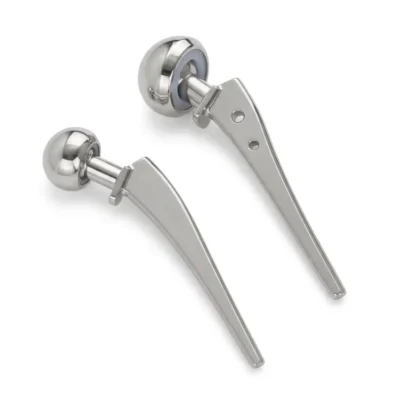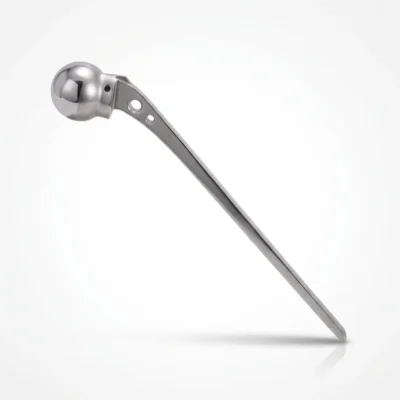
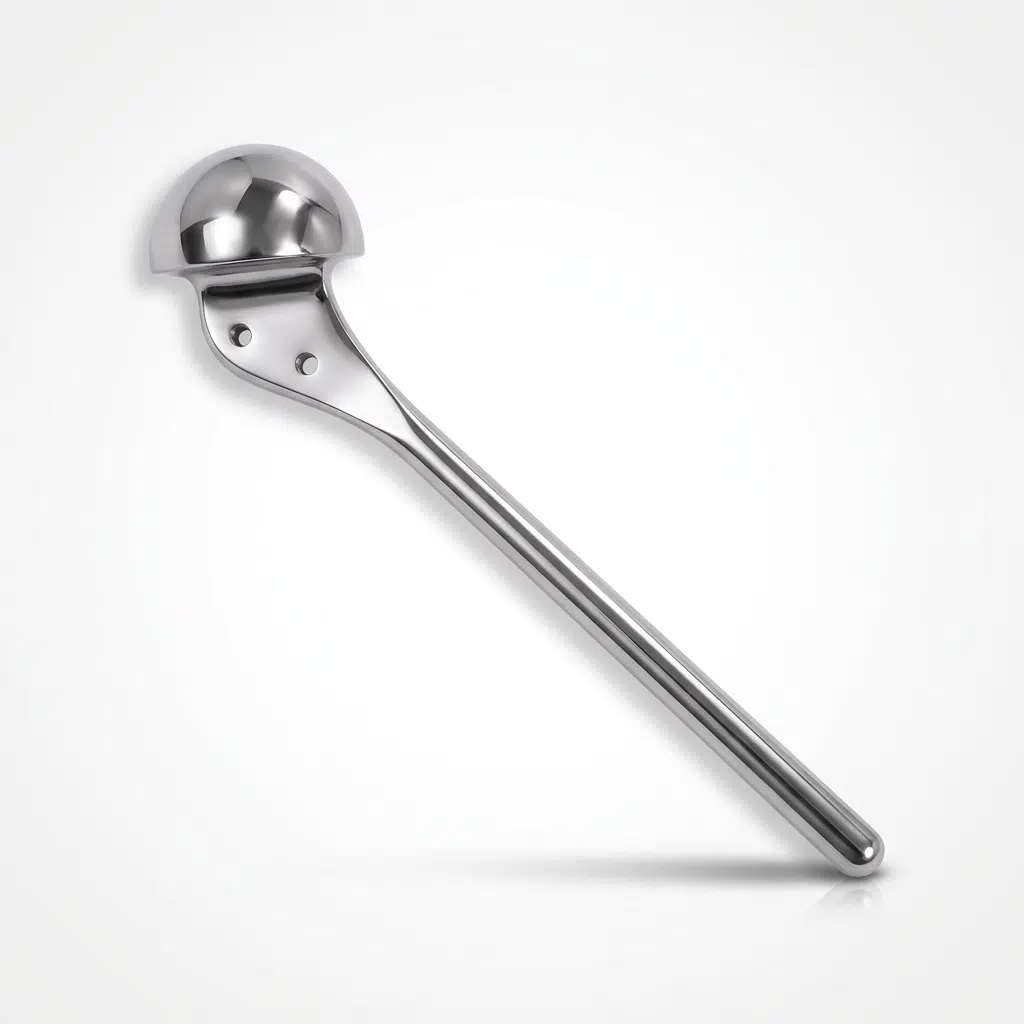
A shoulder prosthesis replaces the damaged components of the glenohumeral joint during shoulder arthroplasty. Surgeons use it to treat advanced osteoarthritis, humeral head fractures, avascular necrosis, and severe rotator cuff damage. It restores joint mechanics and reduces chronic pain when other treatments no longer help.
Product Overview
Shoulder prostheses support three main surgical approaches: hemiarthroplasty, anatomic total shoulder arthroplasty (TSA), and reverse total shoulder arthroplasty (rTSA). Correct implant sizing helps restore the natural center of rotation and proper soft-tissue balance. As a result, a broad size range gives surgeons the flexibility they need during the procedure.
Key Features
- Sizes run from 30 mm to 60 mm to match varying patient anatomy
- Available in premium German stainless steel and titanium
- Titanium supports osseointegration and suits patients with metal sensitivity
- Stainless steel offers high mechanical strength and dimensional stability
- The polished articular surface reduces wear and friction at the joint
- Suitable for both primary shoulder arthroplasty and revision procedures
Specifications
| Material | Premium German stainless steel / Titanium |
| Available Sizes | 30 mm – 60 mm |
Summary
This shoulder prosthesis meets the needs of orthopedic surgeons, hospitals, and medical distributors. Both material options — premium German stainless steel and titanium — deliver proven mechanical performance. Furthermore, the wide size range accommodates diverse patient profiles across primary and revision shoulder replacement procedures.
ISO, CNC, Chamber of Commerce & Surgical Instruments Manufacturers Association Certification Images – Sami’s Instruments